

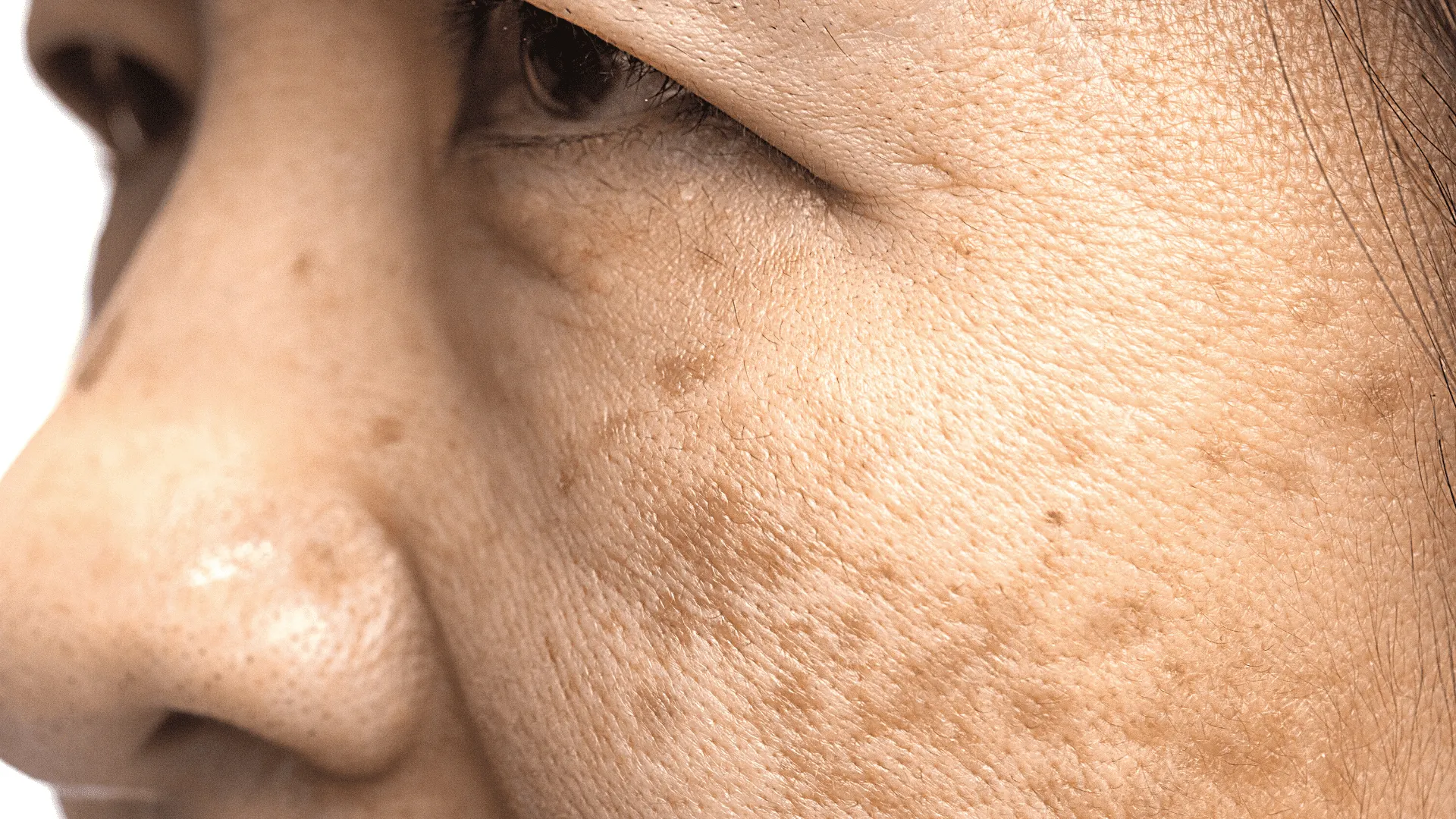
If you started using a whitening cream hoping for brighter skin but ended up with uneven tone or deeper pigmentation you are not alone. Skin darkening after whitening is one of the most common problems I have seen in my ten years as a skincare blogger working closely with dermatologists. Many people feel confused and frustrated when products meant to lighten the skin do the opposite. The good news is that skin darkening after whitening can be corrected with the right approach and gentle care.
Why Skin Darkening After Whitening Happens
Skin whitening products often promise fast results but many of them work by disrupting your skin barrier. When the barrier is damaged your skin becomes inflamed sensitive and more reactive to sunlight and pollution. This leads to post inflammatory hyperpigmentation which appears as darker patches or an overall dull tone.
Common Triggers Behind the Damage
Some of the most frequent causes include:
- Overuse of strong whitening creams containing steroids or mercury
- Lack of sun protection while using active ingredients
- Sudden stopping of whitening products causing rebound pigmentation
- Using multiple actives without professional guidance
When these factors combine your skin produces more melanin as a defense mechanism leading to visible darkening instead of brightness.
Signs Your Skin Is Reacting to Whitening Products
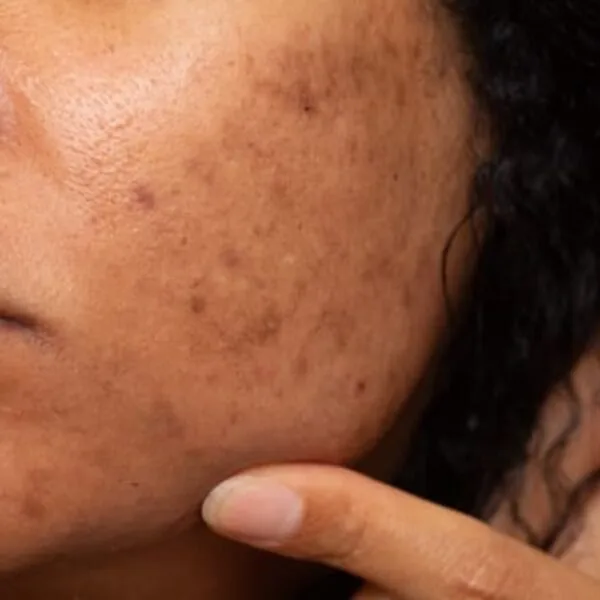
Before fixing the issue it is important to recognize the warning signs early. These may include
- Burning or stinging after application
- Patchy dark spots or uneven skin tone
- Redness followed by brown or grey pigmentation
- Increased sensitivity to sunlight
If you notice these symptoms it is time to stop the product immediately.
A Dermatologist Inspired Fix for Skin Darkening After Whitening
Repairing your skin takes patience but the results are worth it. Dermatologists focus on healing the barrier first before treating pigmentation.
Step 1 Stop the Harm and Simplify Your Routine
Discontinue all whitening and brightening products. Switch to a minimal routine that includes a gentle cleanser a barrier repairing moisturizer and a broad spectrum sunscreen.
Step 2 Restore the Skin Barrier
Look for ingredients like ceramides, niacinamide at low percentages and panthenol. These help calm inflammation and rebuild the skin’s protective layer which is essential to reverse skin darkening after whitening.
Step 3 Never Skip Sunscreen
Sun exposure is the biggest trigger for worsening pigmentation. Use a broad spectrum SPF 50 or higher every morning even indoors. Reapply if you are outdoors for long hours.
Step 4 Treat Pigmentation the Right Way
Once your skin feels calm and healthy usually after three to four weeks you can slowly introduce dermatologist approved ingredients such as mild vitamin C. These help fade dark spots without irritating damaged skin.
How Long Does It Take to See Improvement
Mild cases may improve within one to two months while deeper pigmentation can take three to six months. Consistency and sun protection make the biggest difference. Avoid the temptation of quick fixes as they often cause more harm.
Preventing Skin Darkening in the Future
- Always patch test new products
- Avoid unregulated whitening creams
- Introduce actives slowly
- Focus on skin health rather than instant fairness
Final Thoughts
Skin darkening after whitening can feel discouraging but it is not permanent. With a dermatologist inspired routine and a focus on healing your skin barrier you can restore your natural even tone safely. Healthy skin always looks brighter than stressed skin.
If you are struggling with severe or persistent pigmentation consult a dermatologist for personalized treatment and long-term results.